

Paralegal training entails coursework in legal research, writing, ethics, and document drafting; practical skills development around client intake, communication, and case management; technology and software proficiency; and, in the strongest programs, practice-area-specific instruction tailored to the kind of work you’ll actually be doing.
Programs vary in length from a few weeks to several years and in formats ranging from traditional classrooms to fully online and hands-on 1:1 coaching.
At Best Era, we built our paralegal training around the practical realities of working in a personal injury firm, with a curriculum designed by paralegals for paralegals.
Here’s a closer look at what paralegal training programs actually cover and what to expect from a strong program.
Core Subjects Covered in Paralegal Training
Most paralegal training programs share a common foundation of legal subjects. You’ll cover the basics of the U.S. legal system, civil procedure, contracts, torts, and legal terminology.
From there, programs typically dig into legal research methods, legal writing fundamentals, and how to draft common documents, such as:
- Pleadings
- Discovery responses
- Demand letters
- Client correspondence
Ethics is also a required component of any reputable paralegal program because paralegals operate under the same ethical obligations as the attorneys they support.
The depth varies by program. A two-year associate’s degree covers all of this in detail. A focused certificate course covers the essentials needed to start working. The right depth depends on whether you’re aiming for a broad foundation or specific role readiness.
Practical Skills You’ll Develop
Beyond the academic subjects, paralegal training develops the hands-on skills you’ll use every day in a law firm, such as:
- Client intake: Running a structured first conversation, gathering the right information, and building rapport with people who often call during a stressful moment
- Case management: Opening files correctly, tracking deadlines, organizing documents, and moving cases through standard milestones
- More general but crucial soft skills: Including written and verbal communication, time management, and technology fluency
The strongest programs spend serious time here. A paralegal who knows the law but can’t manage a caseload or handle a client call won’t be effective in a real firm. Practical skills are what separate textbook learning from job readiness.
Practice-Area Specialization
Generic paralegal training only goes so far. Real-world paralegal work varies dramatically by practice area. Here are some examples:
- A personal injury paralegal handles medical records requests, demand letters, and client follow-up under tight statute deadlines
- An estate planning paralegal drafts wills and trusts and shepherds clients through long, emotional processes.
- A family law paralegal manages high-conflict cases with frequent emergency motions.
The core skills overlap, but the workflows, software, and client dynamics are different in each.
The best paralegal training acknowledges this and either specializes from the start or builds on a general foundation with focused practice-area instruction. Generic programs leave new paralegals with a steep learning curve once they actually start working.
Training Formats, Methods, and Credentials
Paralegal training comes in several formats, each with trade-offs:
- Traditional classroom programs: Offer structure and direct instructor access but require time and geography commitments.
- Online programs: Offer flexibility but vary widely in quality.
- Self–paced courses: Fit around a working schedule but require discipline.
- 1:1 coaching: Delivers the fastest, most tailored results but is often the most expensive option.
Most programs include some combination of lectures, readings, written assignments, practical exercises, and assessments. Stronger programs include capstone projects or simulated case files.
Many also lead to credentials. NALA’s Certified Paralegal credential and the National Federation of Paralegal Associations’ PACE certification are two of the most respected in the field.
What Our Paralegal Training Entails
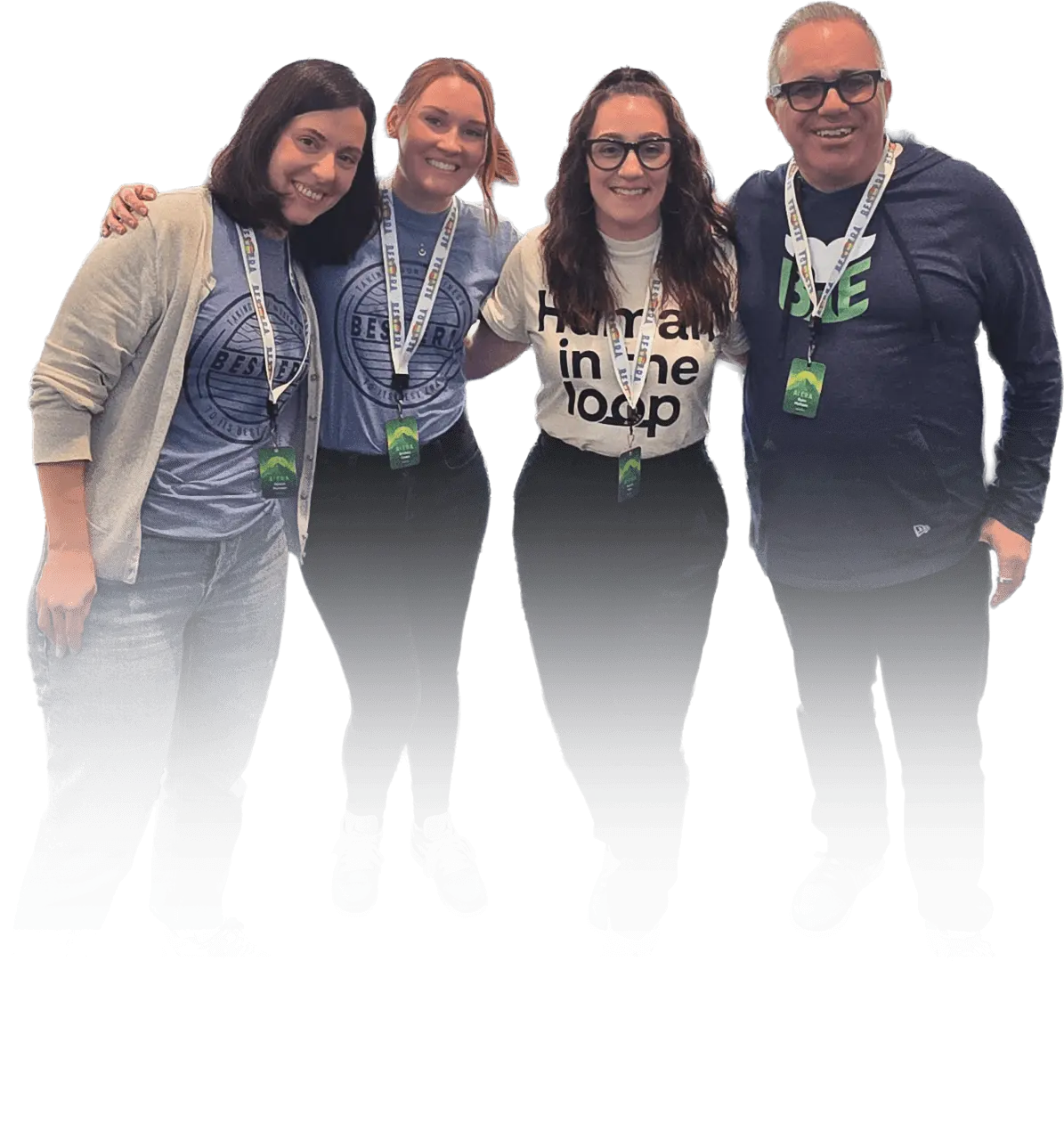
Our paralegal training programs are built around the realities of working in a personal injury law firm. Led by Marisa Rua, who helped build Connecticut Trial Firm’s paralegal onboarding system, our training covers everything a working paralegal actually needs:
- Intake
- File management
- Demand letters
- Client communication
- Automation
- KPI tracking
- The soft skills that separate good paralegals from great ones
We offer three formats to match different goals: a 10-part self-paced course called Paralegal for Beginners, an ongoing Para Era Community with monthly live trainings and a template library, and 1:1 personalized training built around your firm’s specific systems.
Every format pulls from real cases and real workflows—not hypothetical textbook scenarios. That’s the difference between training that holds up in a busy law firm and training that doesn’t.
Take Your Team to Its Best Era
Whether you’re a paralegal looking to build foundational skills or a firm owner trying to get your team aligned around a single training standard, the right program saves time, money, and turnover.
Our paralegal training is led by Marisa Rua and built for the realities of legal practice. Want to see what a firm built on this approach looks like? Our case study walks through the firm we built and grew to a three-time Inc. 5000 honoree.
Ready to put real paralegal training in place? Reach out to the Best Era team, and we’ll help you pick the right path.